
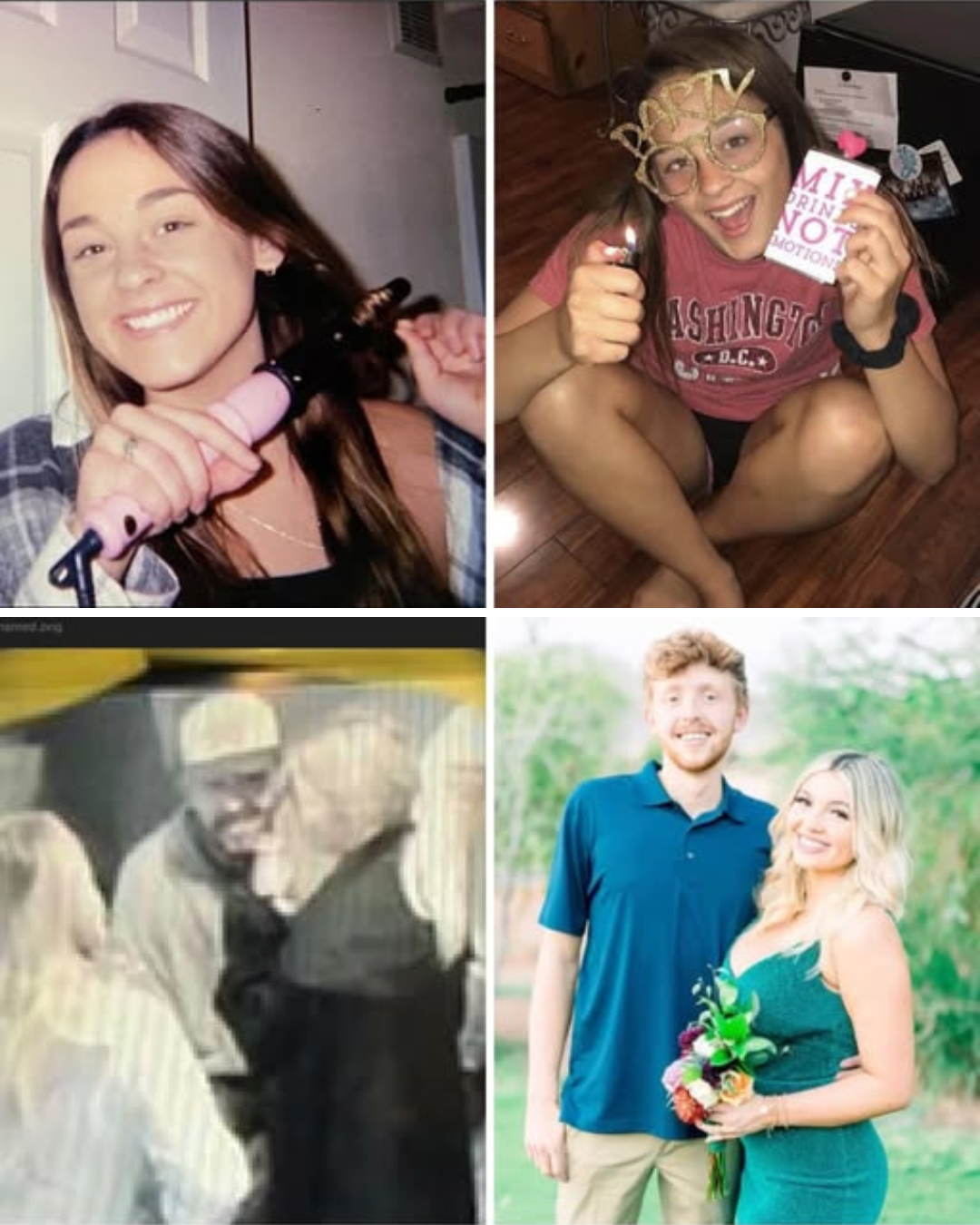
The Final Minutes of Xana Kernodle: Was She the Key to Solving the University of Idaho murders?
More than three years after four University of Idaho students were brutally killed inside an off-campus home in Moscow, Idaho, one name continues to draw increasing public attention: Xana Kernodle.
As court documents, forensic filings, and newly released legal records continue to paint a clearer picture of what happened in the early hours of November 13, 2022, many online are now asking the same emotional question:
Was Xana Kernodle the person who unknowingly helped investigators solve one of America’s most disturbing college murder cases?
The answer is complex—but the evidence suggests her final moments may indeed have become one of the most critical parts of the investigation.
Was Xana Really the Only Victim Awake?
According to the official probable cause affidavit, investigators believe all occupants of the King Road home were in their rooms by approximately 4:00 a.m.—except Xana Kernodle.
Phone records showed Xana was actively using TikTok at 4:12 a.m. Investigators also confirmed that a DoorDash delivery had arrived for her at approximately 4:00 a.m. That means Xana was almost certainly awake while the attacks were unfolding inside the house. (yahoo.com)
This detail immediately set Xana apart from the other victims.
While investigators have never officially stated she was the only victim awake, she is the only victim specifically identified in court documents as actively using her phone during the murder window.
That distinction matters.
Because if Xana was awake, it means she may have been the first person in the house to realize something was terribly wrong.
Did Xana Come Face-to-Face With the Killer?
Investigators cannot say with certainty exactly when Xana encountered Bryan Kohberger, but the timeline strongly suggests their paths crossed in the final minutes of the attack.
A surviving roommate told police she heard someone say:
“There’s someone here.”
Later, she reportedly heard crying coming from Xana’s room, followed by a male voice saying something “to the effect of, ‘It’s OK, I’m going to help you.’”
At 4:17 a.m., a nearby security camera captured distorted audio including what investigators described as voices, a whimper, and a loud thud. (yahoo.com)
Taken together, prosecutors believe this may have been the moment Xana encountered the intruder—and fought for her life.
Did Xana Fight Back?
This is one of the most emotionally charged questions in the entire case.
Prosecutors have not publicly released autopsy details or officially quantified defensive wounds. So viral social media claims about exact numbers of injuries remain unverified.
However, the available evidence strongly suggests Xana did not die in her sleep.
Why?
Because investigators documented:
- Xana was awake minutes before the murders.
- Crying was heard from her room.
- Audio consistent with a struggle was captured.
- Her room appears to have been the last confirmed location of activity before the suspect exited.
These facts strongly support the belief that Xana was conscious during at least part of the attack—and may have resisted. (yahoo.com)
Whether she was also trying to protect Ethan Chapin remains unknown. That theory remains emotional speculation, not confirmed fact.
Did the Struggle Cause Kohberger to Make a Fatal Mistake?
This is where Xana’s story may become central to the entire investigation.
At the crime scene, investigators found a tan leather Ka-Bar knife sheath near one of the victims on an upstairs bed.
On the button snap of that sheath, forensic analysts recovered single-source male DNA.
That DNA would eventually be linked to Bryan Kohberger. (CBS News)
Years later, prosecutors revealed something even more startling:
Court filings allege Kohberger had purchased a Ka-Bar knife and sheath on Amazon months before the murders. (Idaho Statesman)
But here’s the critical question:
Did Xana’s resistance cause him to lose control and leave that sheath behind?
At this time, prosecutors have never officially stated that Xana caused Kohberger to drop the sheath.
That theory is widely discussed online—but remains speculative.
What is confirmed is this:
The sheath was left behind.
The DNA on it became one of the most important pieces of forensic evidence in the case.
Would the Case Have Been Solved Without Xana?
This is the question that has millions of people debating online.
The honest answer is:
We don’t know.
Investigators also used:
- Cell phone location data
- Vehicle surveillance
- Eyewitness testimony from a surviving roommate
- Genetic genealogy
- Family DNA comparisons
All of these helped identify Kohberger. (Idaho Statesman)
But there is no denying one fact:
The knife sheath DNA dramatically accelerated the investigation.
Without it, investigators may still have pursued Kohberger through digital evidence—but likely with a far more difficult path.
And if Xana truly interrupted the killer’s plan… if her being awake created chaos… if that chaos contributed in any way to evidence being left behind…
Then her final moments may indeed have changed everything.
The Case’s Final Outcome
In July 2025, Bryan Kohberger pleaded guilty to murdering all four students as part of a plea agreement that resulted in consecutive life sentences without parole. (wcmu.org)
He never publicly explained why he did it.
And that silence has left many families—and millions of observers—still searching for meaning.
But as the evidence continues to emerge, one truth becomes harder to ignore:
In her final minutes, Xana Kernodle may not have known what was happening.
She may not have known she was facing a killer.
And she certainly never knew that the actions she took in those final moments might help expose him forever.